

 1997
1997
Mental health service user and carer involvement developed in Lanarkshire following the publication of the document ‘A Framework for Mental Health Services’, by the then Scottish Office.
1998
NHSL User & Carer Involvement Team was established in Lanarkshire.
2001
Known at this time as the New Lanark Group, the users and carers associated with the project, supported to develop an independent organisation to continue the work.
2002
Lanarkshire Links is formally constituted as a charity; becoming the commissioned service for service user and carer involvement by NHSL, SLC and NLC. Office based at Dalziel Workspace Motherwell.
2003
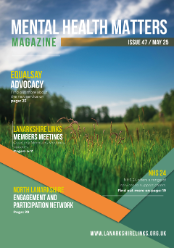
Volunteers recruited and supported to set up Mental Health Issues Groups in the localities. Mental Health Matters magazine production started.
2004
Involvement of service users and carers embedded at strategy and operational level within statutory funder services. Relationships forged across the third sector.
2004
Set up a joint forum of members from the MHIGs to identify common issues with services across Lanarkshire to inform senior leaders.
2006
Conducted a series of Wider Inclusion Fares in South Lanarkshire to engage with hard-to-reach people in the communities.
2007
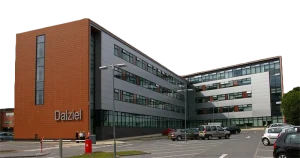
Moved to new offices at Dalziel Building, Motherwell, and held open day for members to celebrate the charity’s achievements since inception.
2007
We host the Lanarkshire Recovery Network (LRN) & ‘See Me’ partnership to support collaboration, bringing the combination of efforts together across agencies. Promoting recovery from mental health problems and help to reduce the associated stigma and discrimination
2009
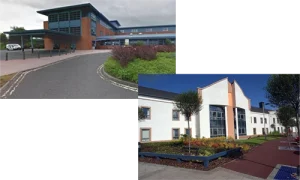
The power of lived experience was further recognised and NHSL commissioned the Peer Support Workers Service into the acute adult inpatient wards.
2012
Recognising the large scope of the work of the LRN, NHSL funded a resolute development officer at the charity to support the workstream.
2013
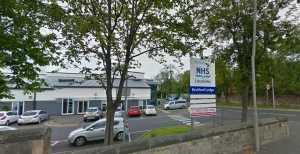
We worked in partnership to facilitate a Forensic Carers Support Group with Forensic Services Staff at Beckford Lodge.
2015
Commissioned by VANL for three years as mental health lead organisation for Community Capacity & Carers Support Workstream.
2016
Represented lived experience as part of the MH Improvement Partnership between Lanarkshire and South Ostrobothnia. Facilitating reciprocal visits of staff and people with lived experience to share learning over the duration of the partnership.
2017
Secured funding from the Robertson Trust for the Gathering Recovery Stories Work Stream recognising that talking about recovery is not necessarily easy or straightforward... Each individual’s recovery is a unique and deeply personal process.
2017
NHS Lanarkshire commissioned the Stigma Free Lanarkshire Programme of work to create conditions for inclusive healthcare by tackling stigma and discrimination across all workstreams, workplaces and communities. This work is embedded in Lanarkshire Mental Health & Wellbeing Strategy.
2019
One year funding secured from NHSL to support the Lanarkshire Community Capacity & Suicide Prevention work stream.
2020 - 2022
Covid Pandemic – put in place systems to allow remote working and engagement with members, trustees, and partnership agencies. Set up telephone chat rooms providing mental health and wellbeing support to members daily.

2023
Carried out consultation and relaunched Mental Health Issues groups as Mental Health Recovery Conversation Cafe’s.

2023
Secured funding from CMHWBF to support mental health and wellbeing and engagement with young adults in south Lanarkshire.
2023
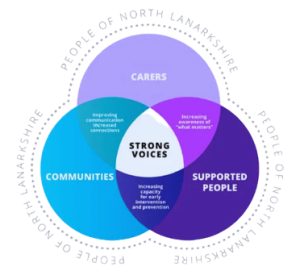
Became part of a three year project - NL Engagement and Participation Network alongside NLDF and VoEF to carry out engagement and participation with supported people in North Lanarkshire. Launched the Growth Pot awarding grants to small community organisations to facilitate engagement with a focus on underrepresented people in the communities.
2024
Set up Mental Health and Wellbeing Groups in the localities; In response to feedback from members, and with resources in place from Awards for All, we introduced wellbeing therapy into the sessions.
2024
As part of SMHAF we ran a series of creative workshops over the three weeks of the festival. We organised a competition and involved the trustees as judges. Prizes were presented at the quarterly members meeting.
2025
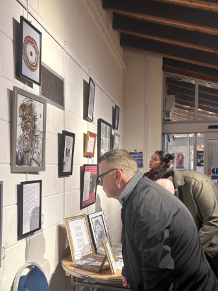
We again participated in the SMHAF and ran creative sessions over the period of the festival that culminated in an Art Exhibition over the month of December at Chatelherault. Members who participated presented on their experience at the quarterly members meeting.
2026
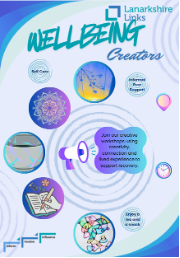
Supported by a CMHWB Small Grant, we are launching the Wellbeing Creators fortnightly Creative Wellbeing sessions.
2026
An SLC Communities Can Do Fund award will enable us to build on the success of our work in North Lanarkshire, and sustain, grow and evaluate wellbeing peer-led groups across South Lanarkshire. Increase engagement, strengthen partnerships with grassroots organisations, and capture lived experience in creative, impactful ways that directly inform community awareness and training.
1997
2002
